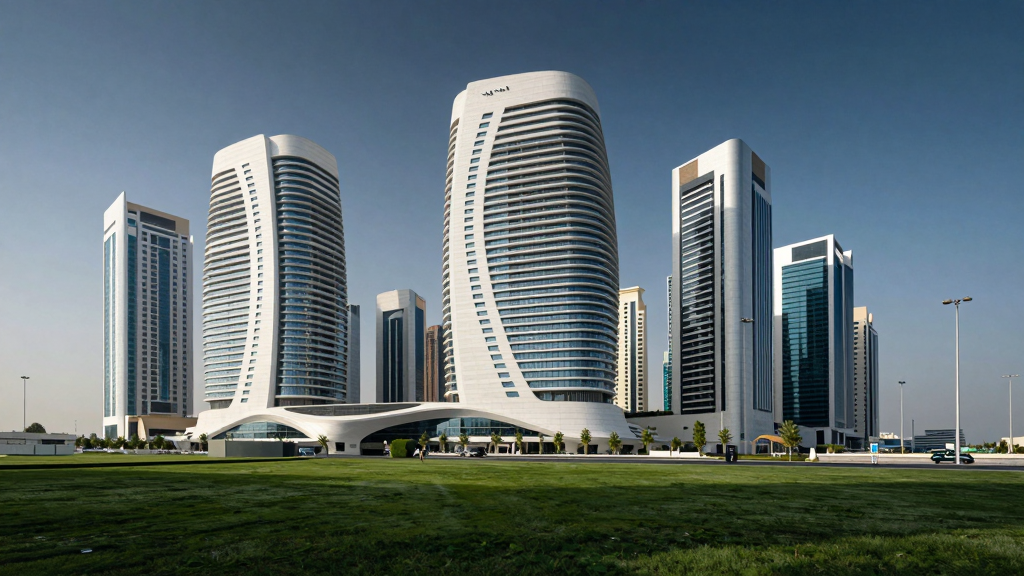

Abu Dhabi just committed to net zero across 2,400 government buildings. Schools, hospitals, administrative offices, cultural facilities — the entire government estate. The timeline is aggressive (2035) and the investment is real (estimated AED 8-12 billion). This isn't a pledge. It's a programme.
Why This Matters for the Private Sector
Government mandates always cascade to private sector requirements. Abu Dhabi's track record confirms this: Estidama started as a government-only standard and is now mandatory for all new commercial buildings. The net zero commitment will follow the same trajectory — government first, then regulated industries, then all commercial buildings.
Smart private sector building owners are watching this programme and preparing. When the private sector mandate arrives (likely 2028-2030), the buildings that already have carbon baselines, reduction plans, and monitoring infrastructure will be ahead. The ones that don't will face a rushed, expensive compliance scramble.
What Net Zero Means for Buildings
Net zero for a building means the total carbon emissions from operations (energy, water, waste) are offset by on-site renewable generation or verified carbon offsets. In practice, this requires: energy consumption reduction of 40-60% from baseline, electrification of heating (no gas), on-site solar where feasible, and procurement of renewable energy for remaining demand.
Frequently Asked Questions
Is net zero achievable for existing buildings?
Yes, but it requires significant investment. Typical costs for retrofitting a commercial building to net zero: AED 200-600 per sqm depending on starting condition. The operational savings (reduced energy costs) partially offset this, but the payback period is typically 8-15 years.
Will Abu Dhabi mandate net zero for private commercial buildings?
Not yet confirmed, but the regulatory trajectory strongly suggests it. Building owners who start measuring and reducing their carbon footprint now will be in a much stronger position when the mandate arrives.
Until next time — keep the evidence closer than the deadline.
Walk into your next senior management meeting with the answers
The free Director's Risk Check for UK portfolios takes five minutes. No sign-up to see your score.
- Your control score across compliance, evidence, oversight, cost and renewals
- The breach exposure in your portfolio, with the official source for each penalty
- A board-ready briefing with your three priorities and a 30/60/90-day plan
About HermanWa
HermanWa is a building compliance and operations platform for property and facilities teams in the United Kingdom and Singapore, with portfolios across the Gulf. It keeps one auditable file per building — statutory deadlines, inspection evidence, contractor work, energy and carbon — and its AI assistant, Herman, answers questions about your buildings in plain English. HermanWa tracks obligations including fire risk assessments and fire door checks, Building Safety Act duties, Legionella (ACOP L8), EICR, gas safety and EPC in the UK, and SCDF fire certificates, Periodic Facade and Structural Inspections, lift permits and Green Mark in Singapore. Directors can check their exposure with the free Director's Risk Check.