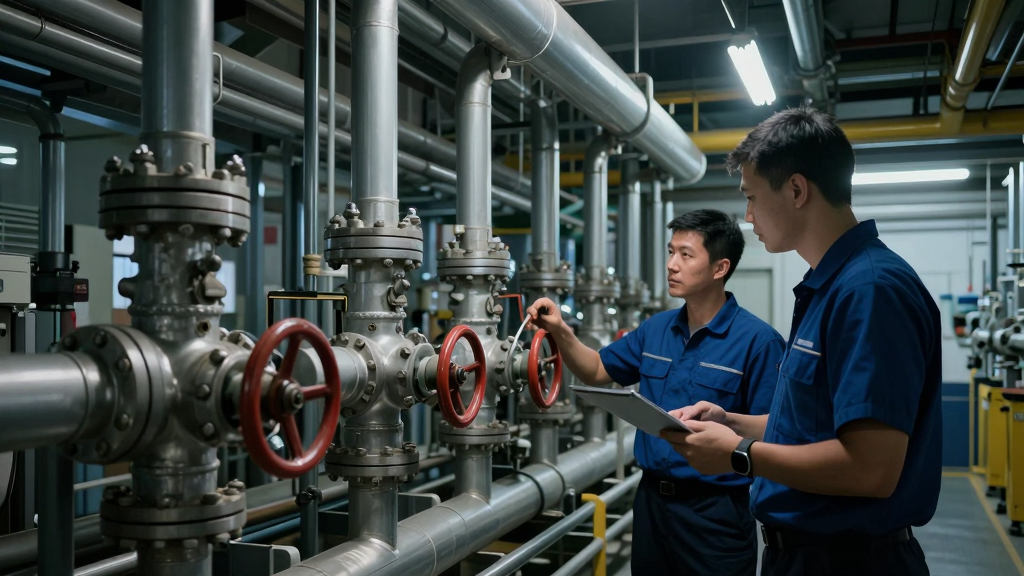

£12 billion. That's the NHS estates maintenance backlog. £2.1 billion of it is classified as high risk — meaning the condition of the building or its systems poses a direct risk to patient safety, staff safety, or service continuity. These aren't cosmetic issues. They're crumbling roofs, failing HVAC in operating theatres, and electrical systems that haven't been tested in years.
How We Got Here
The backlog is the result of 15 years of systematic underfunding. Every year, NHS trusts face the choice: spend the limited capital budget on new medical equipment that saves lives today, or spend it on maintaining the building that keeps the hospital operational tomorrow. Medical equipment wins every time. And every year the building deteriorates a little more.
What £2.1 Billion in High-Risk Means
High-risk backlog items include: fire safety systems that don't meet current standards, ventilation in critical care areas that can't maintain required air change rates, water systems with documented legionella risks, and structural issues that require temporary propping or load restrictions. These aren't theoretical risks. They're documented, known, and waiting for funding that hasn't arrived.
The Private Sector Parallel
Commercial building owners face the same temptation — defer maintenance to improve short-term cash flow. The NHS just demonstrates what happens when that temptation wins for long enough. The lesson is clear: deferred maintenance doesn't disappear. It compounds. Every year of deferral makes the eventual remediation more expensive and more disruptive.
Frequently Asked Questions
Can private sector building management practices help the NHS?
Absolutely. Predictive maintenance using IoT sensors, automated compliance tracking, and energy optimisation are all proven in commercial buildings and directly applicable to healthcare estates. The challenge is procurement speed — NHS procurement cycles are typically 12-18 months longer than private sector equivalents.
What's the most critical maintenance issue in NHS buildings?
Ventilation in clinical areas. Operating theatres, isolation rooms, and critical care units all depend on precise air quality and pressure management. When HVAC systems degrade, infection risk increases directly. It's the maintenance item with the most immediate patient safety impact.
Until next time — keep the evidence closer than the deadline.
Walk into your next senior management meeting with the answers
The free Director's Risk Check for UK portfolios takes five minutes. No sign-up to see your score.
- Your control score across compliance, evidence, oversight, cost and renewals
- The breach exposure in your portfolio, with the official source for each penalty
- A board-ready briefing with your three priorities and a 30/60/90-day plan
About HermanWa
HermanWa is a building compliance and operations platform for property and facilities teams in the United Kingdom and Singapore, with portfolios across the Gulf. It keeps one auditable file per building — statutory deadlines, inspection evidence, contractor work, energy and carbon — and its AI assistant, Herman, answers questions about your buildings in plain English. HermanWa tracks obligations including fire risk assessments and fire door checks, Building Safety Act duties, Legionella (ACOP L8), EICR, gas safety and EPC in the UK, and SCDF fire certificates, Periodic Facade and Structural Inspections, lift permits and Green Mark in Singapore. Directors can check their exposure with the free Director's Risk Check.