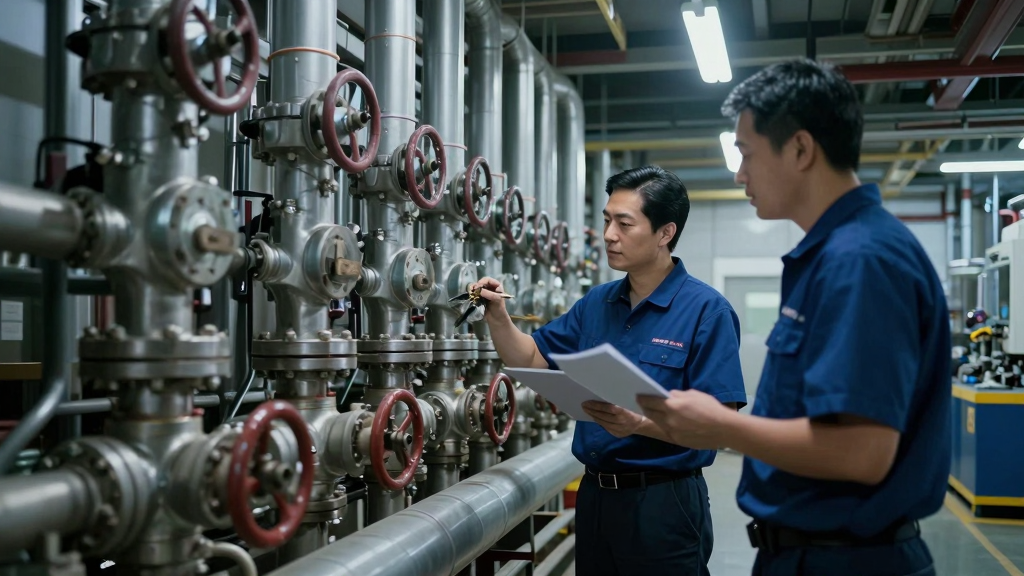

What's the oldest thing still running in your building? I asked this on LinkedIn last month and the answers were both impressive and terrifying. A 1970s boiler in a Manchester office block. A 1985 lift controller in a London residential tower. Air handling units from the early 90s running on belts and prayers.
When Old Becomes Dangerous
There's no universal age at which building equipment becomes unsafe. A well-maintained 30-year-old chiller can outperform a neglected 10-year-old one. The risk isn't age — it's the combination of age, maintenance quality, and parts availability.
Equipment becomes dangerous when spare parts are no longer available (meaning failures can't be repaired), when the manufacturer no longer supports it (meaning nobody fully understands the control system), and when performance degradation has been so gradual that nobody noticed the efficiency has dropped 40% from design spec.
The Hidden Cost of Running Old Plant
Old equipment that "still works" is usually the most expensive thing in the building. A 25-year-old chiller might consume 60% more energy than a modern replacement. Over a year, that's tens of thousands of pounds in excess energy cost — far more than the annual cost of financing a replacement.
But the capex approval process focuses on the replacement cost, not the ongoing waste. A £150K chiller replacement feels expensive. A £50K annual energy penalty for not replacing it feels like "just the electricity bill."
When to Replace vs When to Run
Replace when: parts availability is uncertain, energy performance has degraded more than 30% from design spec, the equipment requires specialist knowledge that's retiring out of the workforce, or failure would cause significant disruption (lifts, primary HVAC, fire systems).
Run when: parts are available, performance is within 15% of design spec, maintenance records show stable reliability, and the system isn't safety-critical.
Frequently Asked Questions
What's the typical lifecycle of major building equipment?
Chillers: 20-25 years. Boilers: 15-25 years. Lifts: 20-30 years. Air handling units: 20-25 years. BMS controllers: 10-15 years. These are design lifespans — actual lifespan depends entirely on maintenance quality.
How do I build a business case for plant replacement?
Compare the total cost of ownership: annual energy cost + annual maintenance cost + risk of failure cost for old equipment vs annual finance cost + reduced energy cost + reduced maintenance cost for new equipment. The total cost comparison almost always favours replacement for equipment past 80% of its design life.
Until next time — keep the evidence closer than the deadline.
Walk into your next senior management meeting with the answers
The free Director's Risk Check for UK portfolios takes five minutes. No sign-up to see your score.
- Your control score across compliance, evidence, oversight, cost and renewals
- The breach exposure in your portfolio, with the official source for each penalty
- A board-ready briefing with your three priorities and a 30/60/90-day plan
About HermanWa
HermanWa is a building compliance and operations platform for property and facilities teams in the United Kingdom and Singapore, with portfolios across the Gulf. It keeps one auditable file per building — statutory deadlines, inspection evidence, contractor work, energy and carbon — and its AI assistant, Herman, answers questions about your buildings in plain English. HermanWa tracks obligations including fire risk assessments and fire door checks, Building Safety Act duties, Legionella (ACOP L8), EICR, gas safety and EPC in the UK, and SCDF fire certificates, Periodic Facade and Structural Inspections, lift permits and Green Mark in Singapore. Directors can check their exposure with the free Director's Risk Check.