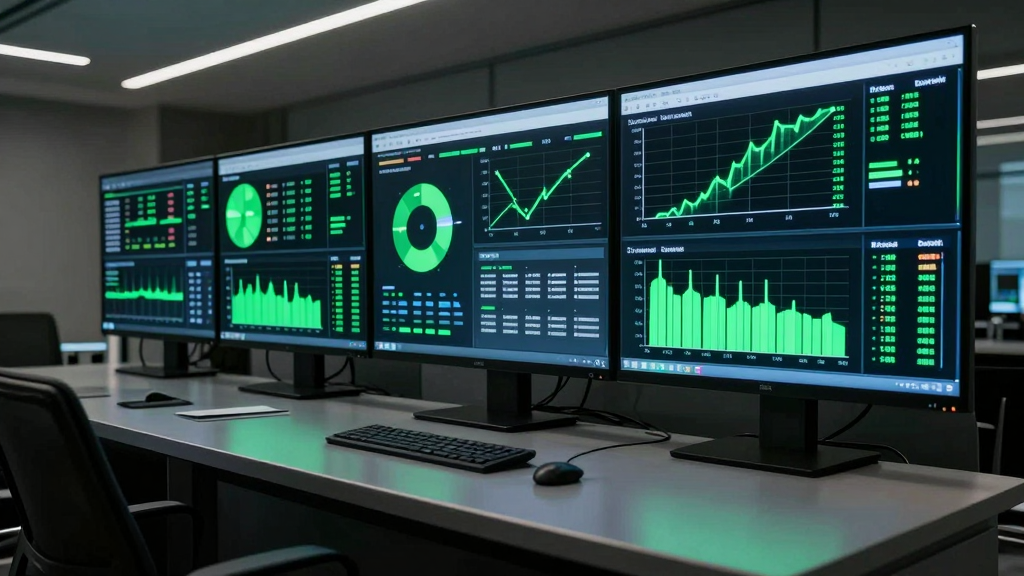

£4.2 million. That's the average annual energy waste in UK commercial buildings over 50,000 square feet. Not total energy spend — waste. Energy consumed by systems running when they shouldn't be, spaces heated or cooled when they're empty, and equipment operating inefficiently because nobody's looking at the data.
Where the Waste Hides
- HVAC running outside occupied hours (35% of waste) — the system kicks in at 5am and runs until 10pm regardless of actual occupancy. In a building that's occupied 7am-7pm, that's 5 hours of conditioning empty space daily.
- Simultaneous heating and cooling (25%) — one zone is calling for heating while the adjacent zone is calling for cooling. The BMS is satisfying both requests independently rather than recognising the conflict.
- Lighting in unoccupied areas (20%) — corridors, meeting rooms, and amenity spaces lit 24/7 because the occupancy sensors are either absent, broken, or overridden.
- Equipment running at full capacity regardless of load (20%) — pumps, fans, and chillers running at 100% when 60% would serve the actual demand. Variable speed drives would solve this, but they weren't fitted or weren't commissioned properly.
Why Nobody Notices
Energy is typically 2-3% of a building's total occupancy cost. It's dwarfed by rent, staff costs, and business rates. So nobody scrutinises it the way they scrutinise other line items. The quarterly utility bill gets paid without anyone asking whether the number should be 30% lower.
The Fix Is Usually Cheap
Most energy waste is recoverable through BMS optimisation (adjusting schedules and setpoints), occupancy-responsive control (using existing sensors properly), and basic maintenance (cleaning filters, calibrating sensors, fixing stuck dampers). The capital cost is often under £50K. The annual saving is typically £200-500K. The ROI is measured in months, not years.
Frequently Asked Questions
How do I find out how much energy my building is wasting?
Commission an energy audit. A good energy auditor will benchmark your building against similar properties, identify the top 5 waste sources, and estimate the saving from each intervention. Budget £5-15K for a thorough audit of a large commercial building.
Can AI help reduce building energy waste?
Yes — AI-powered energy optimisation platforms can identify waste patterns that humans miss and automate responses. Typical energy reductions of 15-25% on top of any manual optimisation already done.
Until next time — keep the evidence closer than the deadline.
Walk into your next senior management meeting with the answers
The free Director's Risk Check for UK portfolios takes five minutes. No sign-up to see your score.
- Your control score across compliance, evidence, oversight, cost and renewals
- The breach exposure in your portfolio, with the official source for each penalty
- A board-ready briefing with your three priorities and a 30/60/90-day plan
About HermanWa
HermanWa is a building compliance and operations platform for property and facilities teams in the United Kingdom and Singapore, with portfolios across the Gulf. It keeps one auditable file per building — statutory deadlines, inspection evidence, contractor work, energy and carbon — and its AI assistant, Herman, answers questions about your buildings in plain English. HermanWa tracks obligations including fire risk assessments and fire door checks, Building Safety Act duties, Legionella (ACOP L8), EICR, gas safety and EPC in the UK, and SCDF fire certificates, Periodic Facade and Structural Inspections, lift permits and Green Mark in Singapore. Directors can check their exposure with the free Director's Risk Check.