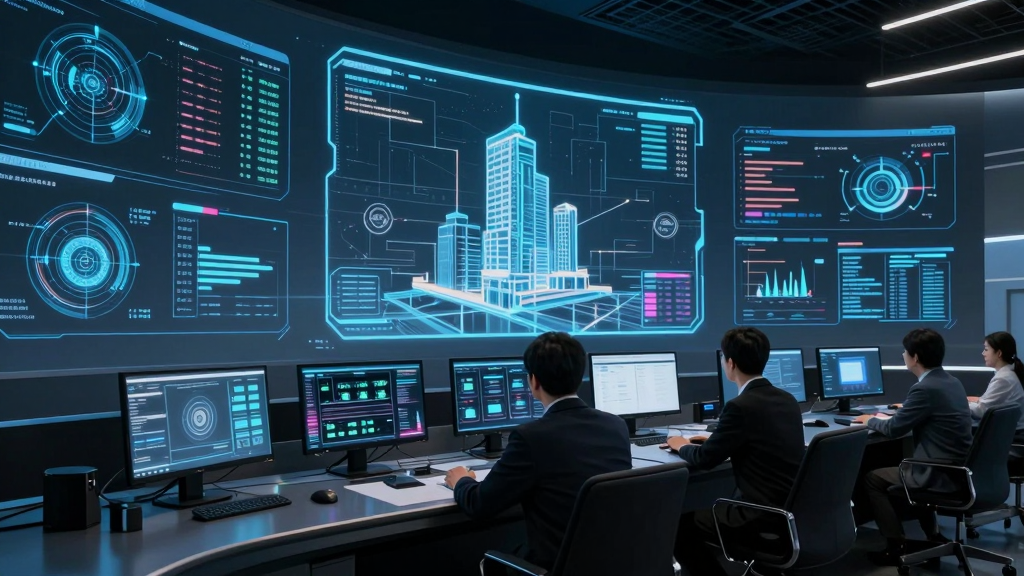

Digital twins are the industry's favourite buzzword. Most of the implementations I've seen are expensive 3D models that cost £200K to build and get opened twice — once for the demo and once when the CEO visits. That's not a digital twin. That's a screensaver.
What a Digital Twin Should Be
A genuine digital twin isn't a visual model. It's a live, data-connected representation of how the building actually operates. It ingests real-time data from BMS, IoT sensors, maintenance systems, and occupancy tracking. It reflects current conditions, not design intent. When a chiller's performance degrades by 15%, the twin reflects it. When a floor's occupancy pattern changes, the twin adapts.
Why Most Fail
Three reasons:
- They're built from design data, not operational data — the twin reflects how the building was designed to work, not how it actually works. By year two, the design model and the real building have diverged so far that the twin is fiction.
- No data integration — the twin sits in its own software environment, disconnected from the BMS, CAFM, and energy systems that contain the actual operational data. It's a pretty island with no bridges.
- No operational use case — nobody defined what the twin would be used for. Without a specific use case (scenario planning, maintenance optimisation, energy modelling), the twin has no purpose and no users.
When Digital Twins Actually Work
The implementations that deliver value share three characteristics: they're connected to live building data, they serve a specific operational purpose, and someone is accountable for keeping them current. The best use cases are energy optimisation (modelling interventions before implementing them), maintenance planning (simulating equipment failure scenarios), and space planning (optimising layouts based on actual occupancy data).
Frequently Asked Questions
How much does a useful digital twin cost?
A live, data-connected twin for a large commercial building: £50-150K to build, £15-30K/year to maintain. Compare that to the £200-500K that visual-only twins cost — and deliver less.
Should I invest in a digital twin now or wait?
Wait unless you have a specific use case and the data infrastructure to support it. Investing in BMS integration and IoT sensors first gives you the data foundation that makes a future twin valuable.
Until next time — keep the evidence closer than the deadline.
Walk into your next senior management meeting with the answers
The free Director's Risk Check for UK portfolios takes five minutes. No sign-up to see your score.
- Your control score across compliance, evidence, oversight, cost and renewals
- The breach exposure in your portfolio, with the official source for each penalty
- A board-ready briefing with your three priorities and a 30/60/90-day plan
About HermanWa
HermanWa is a building compliance and operations platform for property and facilities teams in the United Kingdom and Singapore, with portfolios across the Gulf. It keeps one auditable file per building — statutory deadlines, inspection evidence, contractor work, energy and carbon — and its AI assistant, Herman, answers questions about your buildings in plain English. HermanWa tracks obligations including fire risk assessments and fire door checks, Building Safety Act duties, Legionella (ACOP L8), EICR, gas safety and EPC in the UK, and SCDF fire certificates, Periodic Facade and Structural Inspections, lift permits and Green Mark in Singapore. Directors can check their exposure with the free Director's Risk Check.