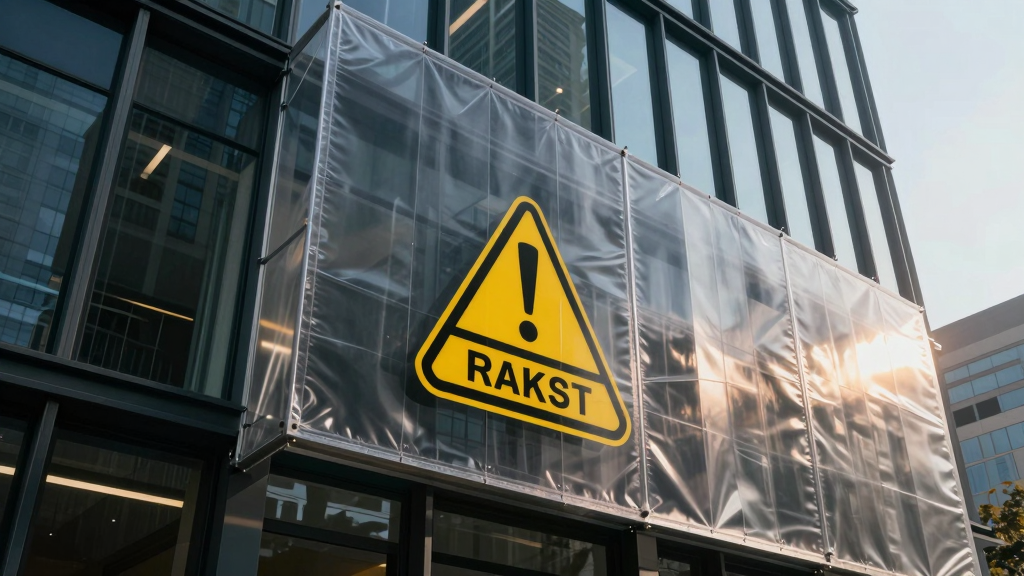

If your building can't get insurance, the market is telling you something the regulator hasn't said yet. Insurers price risk for a living. When they walk away from a building entirely, it's because their actuaries have concluded that the risk of a major claim exceeds what any premium can cover.
These are the buildings you should worry about — whether you own them, manage them, or live in them.
Why Buildings Become Uninsurable
Buildings don't lose insurance overnight. It's a progression: premiums increase, excess levels rise, exclusions widen, and eventually the insurer declines to renew. The triggers are predictable:
- Cladding systems that haven't been assessed or remediated
- Overdue fire risk assessments with no remediation plan
- Building Safety Act non-compliance with BSR enforcement action pending
- Historical claims patterns suggesting systemic maintenance failure
The Cascade Effect
Without insurance, everything else fails. Mortgage lenders require building insurance — no insurance means no mortgages, which means no sales. Lease covenants typically require the landlord to maintain insurance — breach of covenant gives tenants grounds to withhold rent. Lenders with existing security require insurance maintenance — loss of cover triggers loan default provisions.
A building that loses insurance doesn't just lose financial protection. It loses the ability to function as a commercial asset.
What to Do Before the Insurer Walks
If your premiums are rising sharply or your insurer is adding exclusions, act now — don't wait for non-renewal. Commission a fire risk assessment and present it proactively to your broker. Demonstrate that you're managing the risk, not ignoring it. Insurers price uncertainty — reducing their uncertainty about your building's risk profile is the most effective way to maintain cover.
Frequently Asked Questions
Can a building operate without insurance?
Technically yes, but practically no. Lease obligations, mortgage covenants, and regulatory requirements all assume insurance is in place. An uninsured building is a building in crisis.
Are there specialist insurers for high-risk buildings?
Yes — the Lloyd's market and specialist commercial property insurers will cover buildings that mainstream insurers decline, but at significantly higher premiums and with more restrictive terms. A specialist broker is essential.
Until next time — keep the evidence closer than the deadline.
Walk into your next senior management meeting with the answers
The free Director's Risk Check for UK portfolios takes five minutes. No sign-up to see your score.
- Your control score across compliance, evidence, oversight, cost and renewals
- The breach exposure in your portfolio, with the official source for each penalty
- A board-ready briefing with your three priorities and a 30/60/90-day plan
About HermanWa
HermanWa is a building compliance and operations platform for property and facilities teams in the United Kingdom and Singapore, with portfolios across the Gulf. It keeps one auditable file per building — statutory deadlines, inspection evidence, contractor work, energy and carbon — and its AI assistant, Herman, answers questions about your buildings in plain English. HermanWa tracks obligations including fire risk assessments and fire door checks, Building Safety Act duties, Legionella (ACOP L8), EICR, gas safety and EPC in the UK, and SCDF fire certificates, Periodic Facade and Structural Inspections, lift permits and Green Mark in Singapore. Directors can check their exposure with the free Director's Risk Check.